
Digital Project Management
Smooth processes and happy human relationships are key to managing effectively. Learn better ways to work with complexity so you can run projects like a pro.


Taught by
Travis Gertz and Rachel Gertz





































Get access to Digital Project Management
- Practical, go-at-your-own pace learning, with help from our industry experts and experienced teachers
- Projects and code that you can alter and include in your own sites and portfolio
- Resources to get you started and going post-course
Your instructors

Travis Gertz

Rachel Gertz
Course structure

















Lesson 01
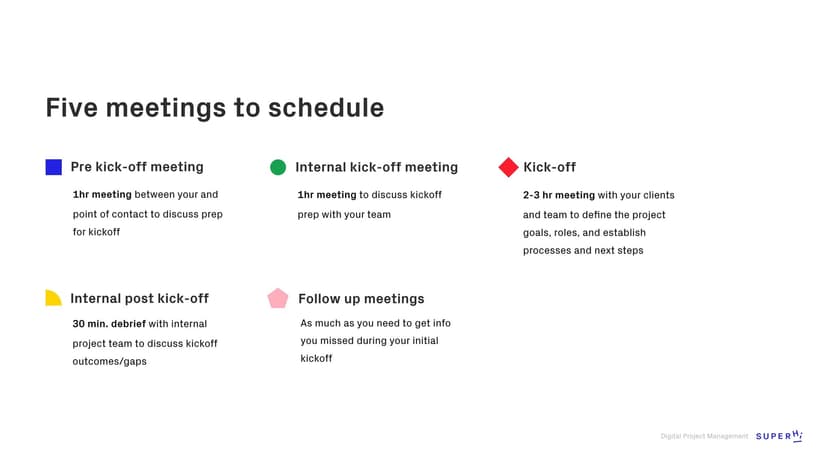
What is a Meeting?
Lesson 02
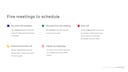
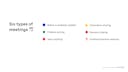
Types of Meetings

Lesson 03
Status Meetings

Lesson 04
Info Meetings

Lesson 05
Problem Solving Meetings

Lesson 06
Decision Making Meetings

Lesson 07
Team Building Meetings

Lesson 08
Creative Meetings
Lesson 09
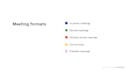
Meeting Formats

Lesson 10
Before the Meeting

Lesson 11
During the Meeting
Lesson 12
After the Meeting
Lesson 13
Tips For Better Meetings






Lesson 01
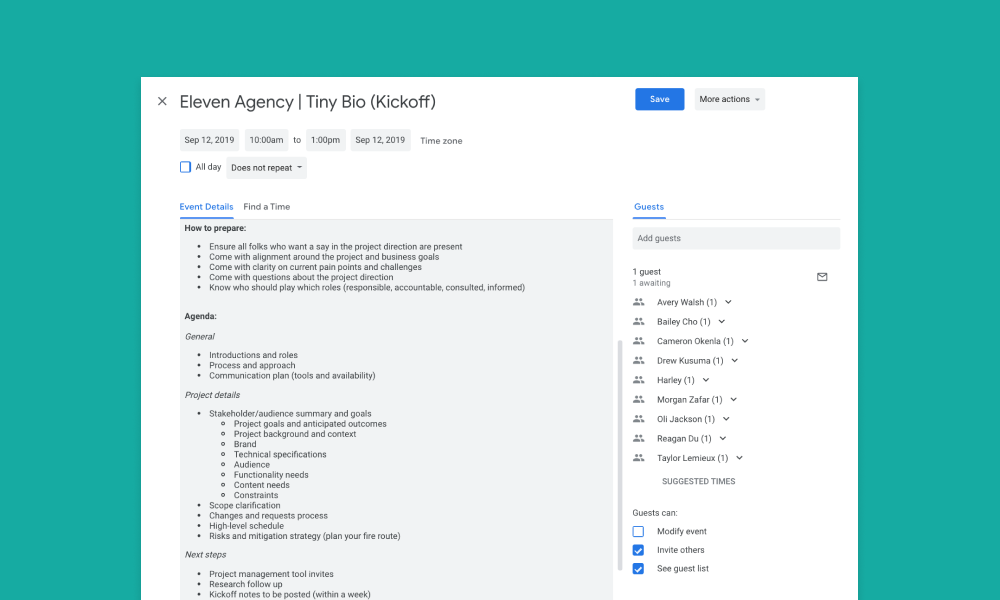
Documents in Project Management
Lesson 02
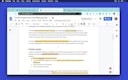
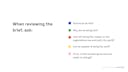
Project Briefs
Lesson 03
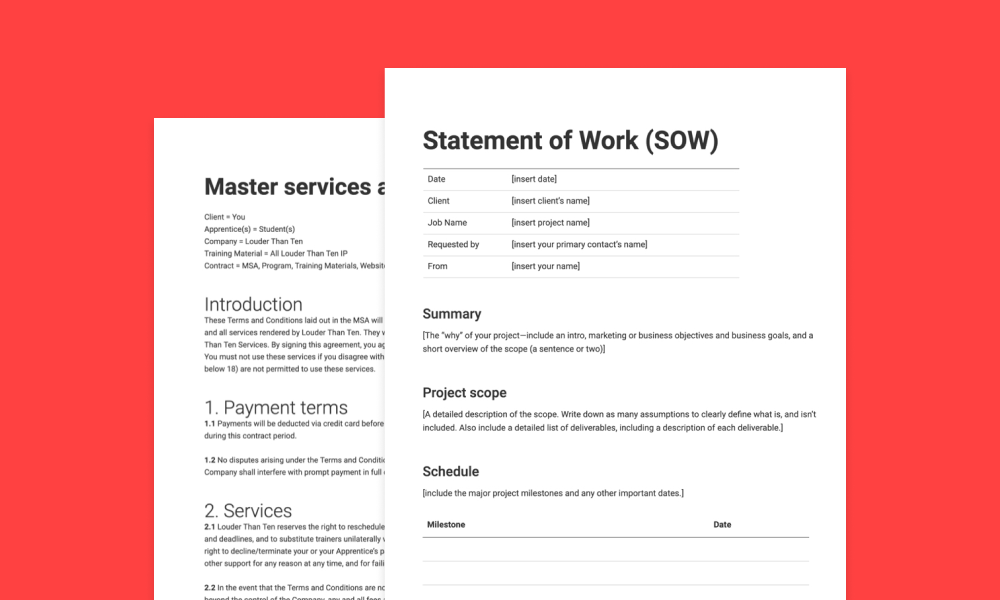
Contracts

Lesson 04
Statement of Work
Lesson 05
How to make a Statement of Work
Lesson 06
Contract Example
Lesson 07
Project Plans
Lesson 08
Project Plan Formats
Lesson 09
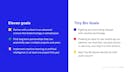
Tiny Bio Project Plan
Lesson 10
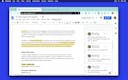
Requirements

Lesson 11
Weekly Updates

Lesson 12
Communication Plan
Lesson 13
Communication Plan In Action
Lesson 01
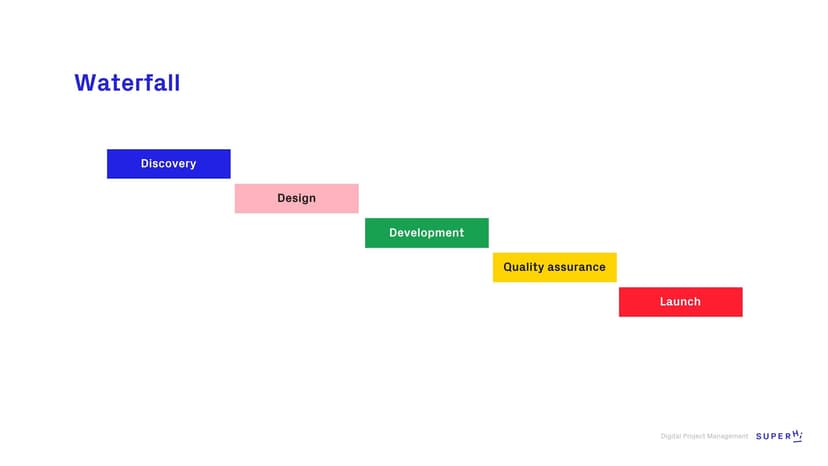
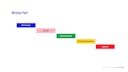
What is Waterfall?

Lesson 02
When to use Waterfall?
Lesson 03
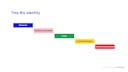
Waterfall Do's and Don'ts
Lesson 04
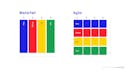
What is Agile?
Lesson 05
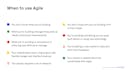
When to use Agile?

Lesson 06
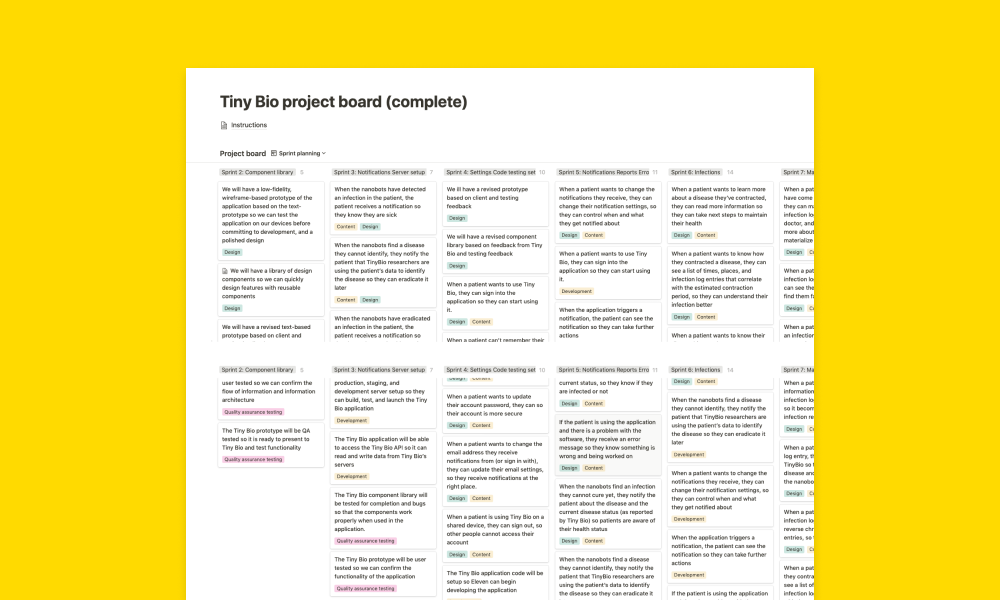
Tiny Bio Agile

Lesson 07
Scrum Rituals
Lesson 08
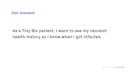
Scrum Work

Lesson 09
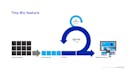
Scrum Roles
Lesson 10
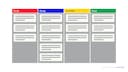
Scrum Example
Lesson 11
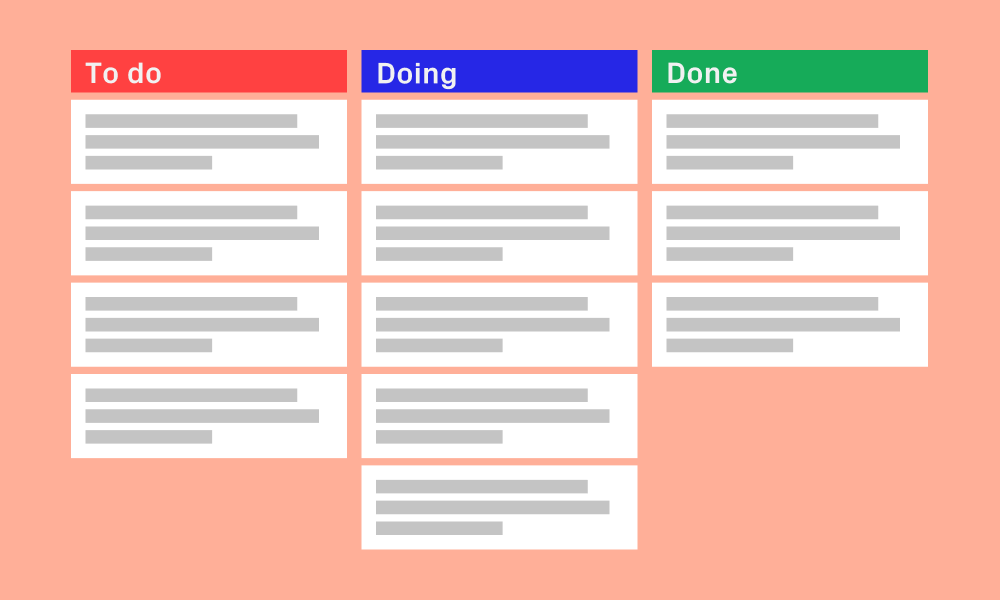
Kanban

Lesson 12
What is Hybrid?
Lesson 13
When to use Hybrid?

Lesson 14
Which Method for Tiny Bio?
Lesson 01
What is Scope?
Lesson 02
How to Scope Effectively

Lesson 03
Build the Right Thing

Lesson 04
What are Requirements?
Lesson 05
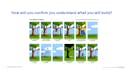
Understanding Requirements
Lesson 06
How to Gather Requirements

Lesson 07
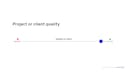
Scope Spectrum
Lesson 08
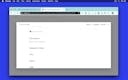
Scoping Example

Lesson 09
Documenting Requirements

Lesson 10
Requirements Document
Lesson 11
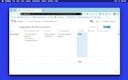
Requirements Document Example
Lesson 12
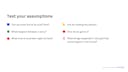
Avoiding Scoping Pitfalls

Lesson 13
What is Scope Creep?
Lesson 14
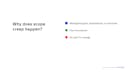
Why does Scope Creep Happen?
Lesson 15
Who is Responsible for Scope Creep?
Lesson 16
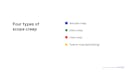
Four Types of Scope Creep

Lesson 17
Business Creep

Lesson 18
Effort Creep

Lesson 19
Hope Creep

Lesson 20
Feature Creep

Lesson 21
Navigating Scope Creep
Lesson 22
The Sound of Scope Creep

Lesson 23
Practice Your Scripts


Lesson 01
What is Prioritization?
Lesson 02
Analyzing Urgency Impact Effort
Lesson 03
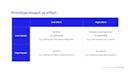
Impact vs Effort
Lesson 04
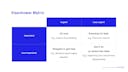
Urgent vs Important
Lesson 05
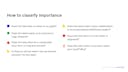
Classify Urgency and Importance
Lesson 06
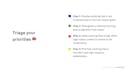
Triage Properities

Lesson 07
Minimum Valuable Product
Lesson 08
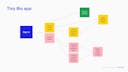
How to Prioritize for an MVP
Lesson 09
Small, Not Half Baked
Lesson 10
Prune Features
Lesson 11
Goals Alignmentt

Lesson 12
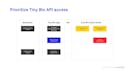
Outcomes, Not Features
Lesson 13
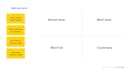
Evaluate Risks
Lesson 14
How to Evaluate MVP
Lesson 15
Prioritization Hacks

Lesson 16
Productivity for Self

Lesson 17
Prioritize Projects

Lesson 01
What is Estimation?
Lesson 02
When to Estimate
Lesson 03
Who Estimates?

Lesson 04
Top Down Estimation
Lesson 05
Bottom Up Estimation
Lesson 06
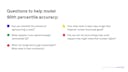
90th Percent Estimation Example
Lesson 07
90th Percentile

Lesson 08
Double Blind Estimation
Lesson 09
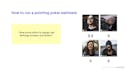
Pointing Poker Estimation
Lesson 10
How to Estimate Badly

Lesson 11
Laws and Fallacies

Lesson 12
Tips for Estimating

Lesson 13
How Eleven Estimates

Lesson 14
How Internal Teams Estimate Better

Lesson 01
What is a Schedule?

Lesson 02
When Should You Schedule?
Lesson 03
How to Set Up a Schedule?
Lesson 04
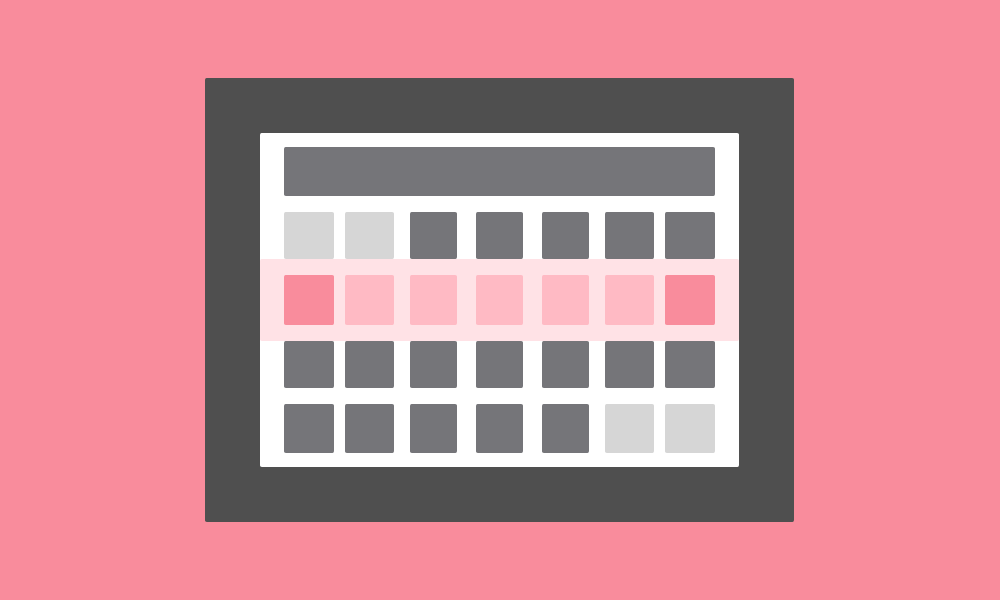
Calendars
Lesson 05
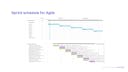
Gantt Charts
Lesson 06
Milestones

Lesson 07
Before You Make a Schedule

Lesson 08
As You Schedule
Lesson 09
Consider Your Audience

Lesson 10
Adding Buffer

Lesson 11
Setting Checkpoints

Lesson 12
Review Your Schedule
Lesson 13
How to Adjust Your Schedule

Lesson 14
Set Expectations
Lesson 15
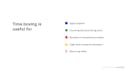
Timeboxing
Lesson 16
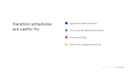
Sprint Iteration Schedules
Lesson 17
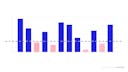
How Schedules Affect Sustainability
Lesson 18
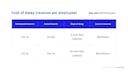
Cost of Delay
Lesson 19
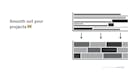
When Projects Drag
Lesson 20
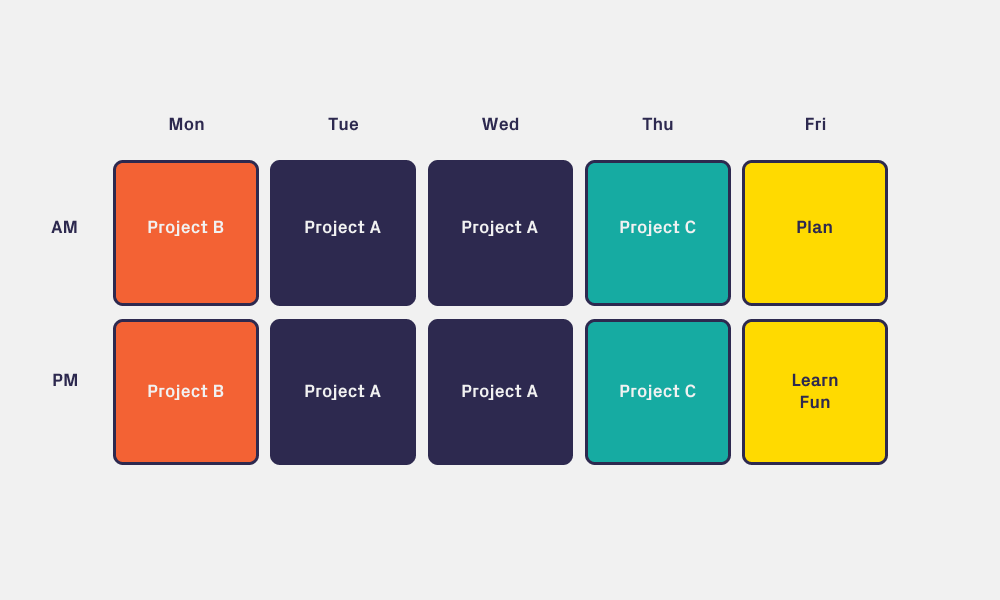
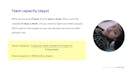
Team Capacity

Lesson 21
Team Gantt Exercise
Lesson 22
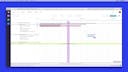
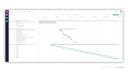
Team Gantt Demo
Lesson 23
Sprint Iteration

Lesson 01
Risks and Red Flags

Lesson 02
Positive vs Negative Risk
Lesson 03
What are Risks?
Lesson 04
What are Red Flags?
Lesson 05
Risk and Red Flag Categories

Lesson 06
Project Risk is Normal

Lesson 07
How to Identity Red Flags

Lesson 08
How to Plan for Risk
Lesson 09
Mitigate the Risk
Lesson 10
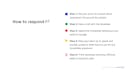
Mitigate Extreme Risk
Lesson 11
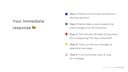
Mitigate Major Risk
Lesson 12
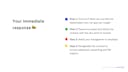
Mitigate Moderate Risk
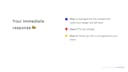
Lesson 13
Mitigate Minor Risk
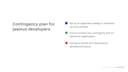
Lesson 14
Make a Contingency Plan
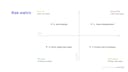
Lesson 15
How to do a Risk Analysis
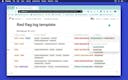
Lesson 16
Risk Log Demo

Lesson 17
Refine Your Risk Analysis


Lesson 01
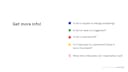
What is Change Management
Lesson 02
Types of Change Control

Lesson 03
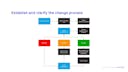
Types of Natural Change to Manage
Lesson 04
How to Setup Change Management System
Lesson 05
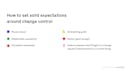
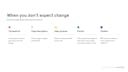
How to Set Expectations
Lesson 06
Gather Feedback
Lesson 07
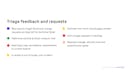
Triage Requests
Lesson 08
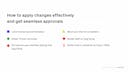
Process Change

Lesson 09
Refine and Automate
Lesson 10
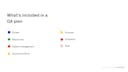
QA Testing
Lesson 11
Why QA is Important
Lesson 12
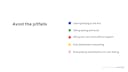
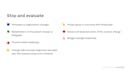
QA Pitfalls to Avoid
Lesson 13
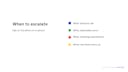
How to Manage and Respond to Change
Lesson 14
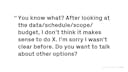
Change Control Scripts
Lesson 15
Tips for Dealing with Feedback

Lesson 16
Tiny Bio Change Management Example


Lesson 01
What is Continuous Improvement?
Lesson 02
How to Incorporate Continuous Improvement
Lesson 03
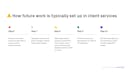
Future Phases
Lesson 04
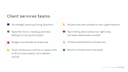
How Future Work is Typically Handled
Lesson 05
How to Setup Future Phases

Lesson 06
Handoffs
Lesson 07
Intake to Project Setup
Lesson 08
Research to Design
Lesson 09
Content to Design
Lesson 10
Design to Development
Lesson 11
Launch to Project Close
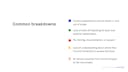
Lesson 12
Team to Clients
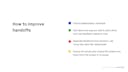
Lesson 13
Improve Handoffs
Lesson 14
How to Offboard Close Project
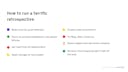
Lesson 15
Retrospectives
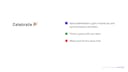
Lesson 16
Project Close


SuperHi students work at the best
Our students are based all over the world and work at creative companies large and small. Why not check out some of their work?
View student workFeeling stuck?
Don’t worry, we are here to help you with:
- Speedy help from one of our team members
- Detailed, relevant solutions
- Direct access to peer support through Discord!
Remember, there’s no such thing as a silly question, so don’t hesitate to reach out, we love hearing from you!